
Top 10 Best Hybrid Cars in the UK (2026): The Essential Fuel-Saving Guide
Compare the top 10 best hybrid cars in the UK for 2026. Explore real-world MPG, electric range, and running costs for Toyota, Golf eHybrid, and more.
Choosing a new vehicle in 2026 is no longer just about horsepower or badge appeal. For modern British drivers, it comes down to energy agility—balancing long-range capability, low fuel bills, and a smaller carbon footprint.
With fuel prices fluctuating across UK forecourts and company car drivers navigating Benefit-in-Kind (BiK) tax brackets, hybrid vehicles—both self-charging (HEV) and plug-in (PHEV)—have become the sweet spot of British motoring.
At cheapfill.uk, we have evaluated the top 10 hybrid models available in the UK, ranked by their real-world efficiency and practical usability.
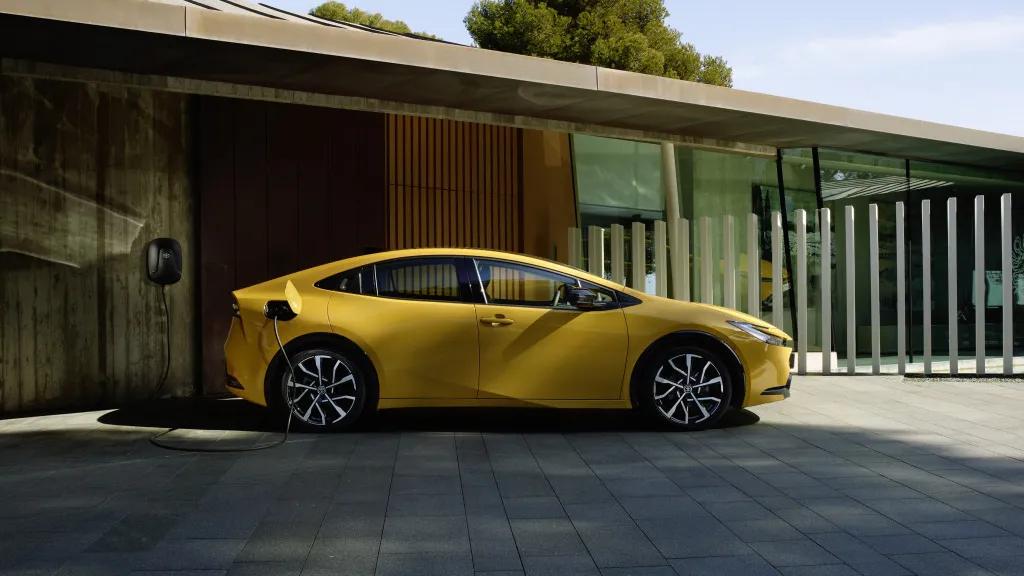
1. Toyota Prius (PHEV): The Efficiency Champion
The pioneer remains the gold standard. In 2026, Toyota’s plug-in powertrain achieves outstanding real-world performance. With an electric-only range exceeding 50 miles on urban roads, daily commutes can be completed entirely without burning petrol.
- Key Advantage: Exceptional aerodynamics that maintain high MPG even during 70 mph motorway runs.
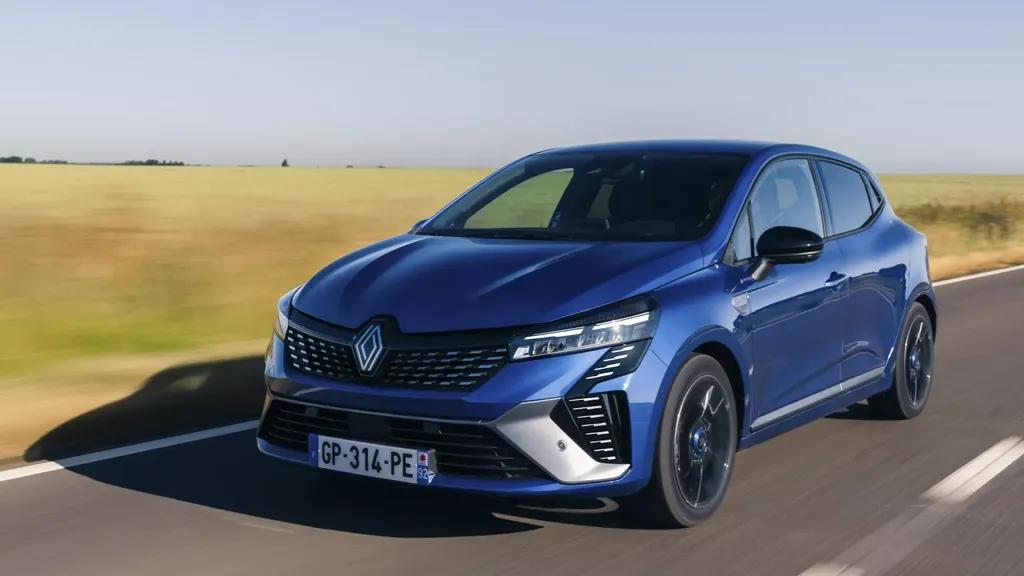
2. Renault Clio E-Tech (HEV): The Urban Favourite
No charging cable required. Renault’s F1-inspired E-Tech self-charging system allows the Clio to run in zero-emission electric mode for up to 80% of urban driving.
- Key Advantage: Unbeatable purchase-price-to-MPG ratio for city commuters.
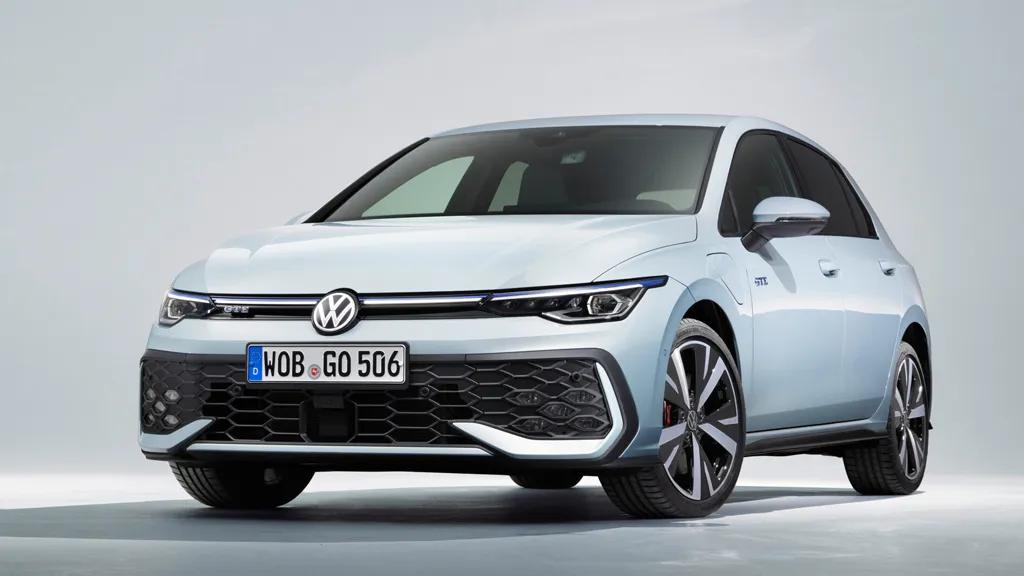
3. Volkswagen Golf eHybrid (PHEV): The All-Rounder
The Golf remains a firm favorite across the UK. Featuring an upgraded battery pack, it offers up to 80+ miles of zero-emission EV range alongside rapid DC charging capability—making it a leading choice for company car drivers.
- Key Advantage: Exceptionally low Benefit-in-Kind (BiK) company car tax bracket.
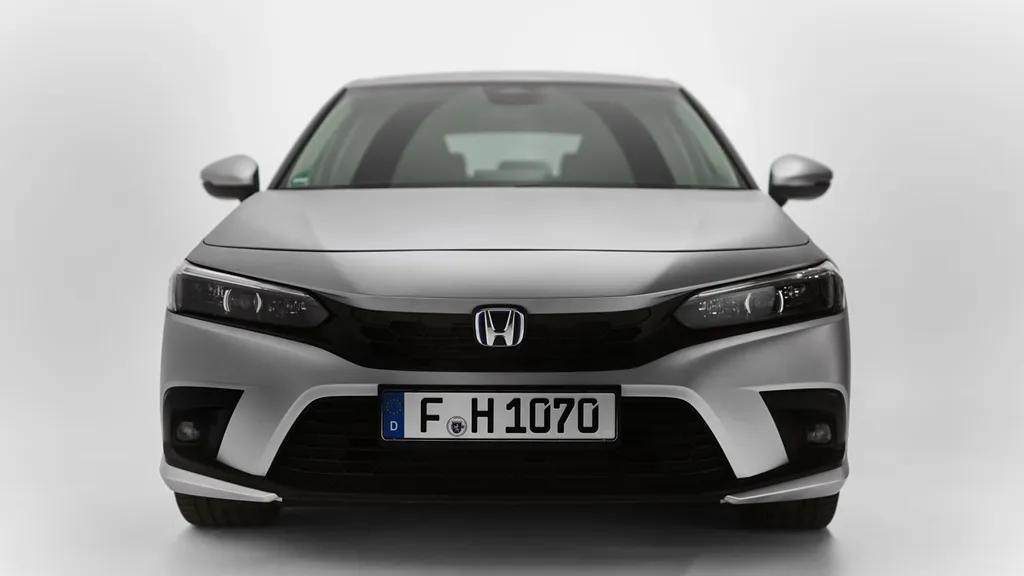
4. Honda Civic e:HEV: Engineering Refinement
Honda’s unique hybrid setup uses the electric motor as the primary drive unit, delivering ultra-smooth acceleration. Real-world fuel economy regularly exceeds 60 MPG in mixed driving conditions without demanding any effort from the driver.
- Key Advantage: Refined driving dynamics with effortless fuel economy.
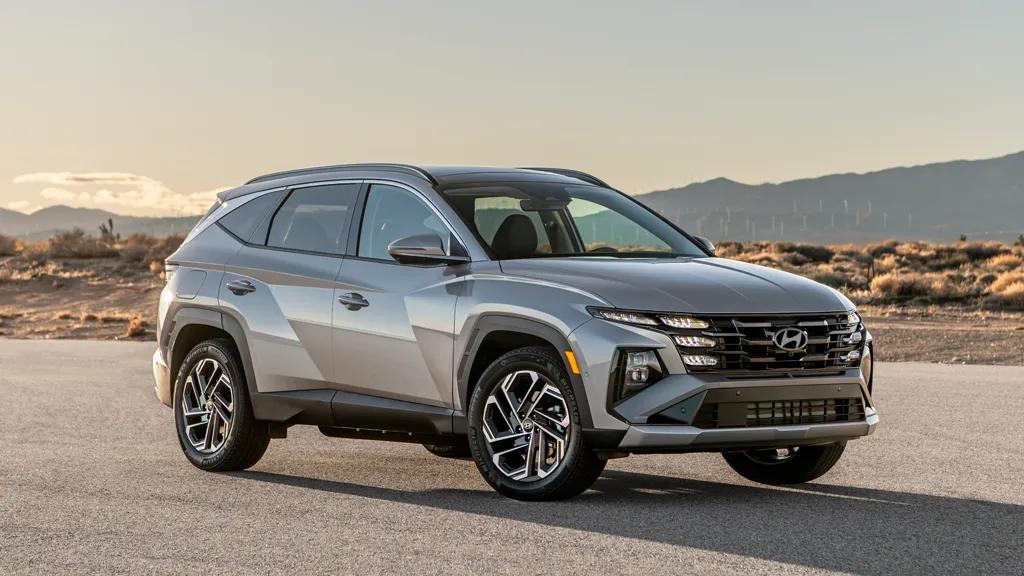
5. Hyundai Tucson Plug-in: Practical Family SUV
For UK families needing cabin space without high forecourt costs, the Tucson PHEV delivers. Its intelligent all-wheel-drive system manages power split automatically to preserve battery power.
- Key Advantage: Practical boot capacity combined with low daily running costs.
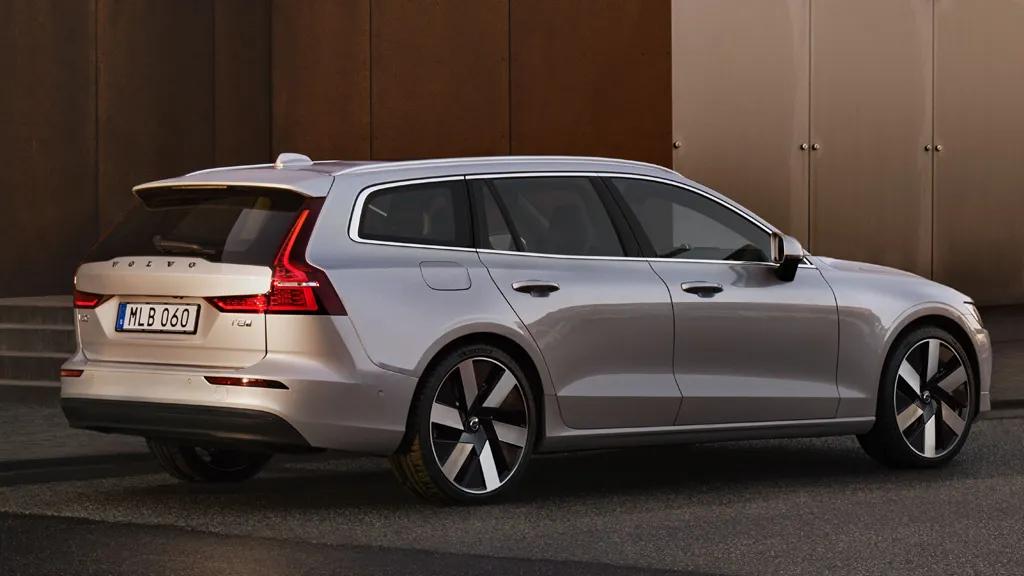
6. Volvo V60 Recharge: The Premium Estate
Scandinavian luxury combined with an electric range pushing 50+ miles. An ideal long-distance cruiser for professionals covering high motorway miles across the UK road network.
- Key Advantage: Superb interior comfort and class-leading safety systems.
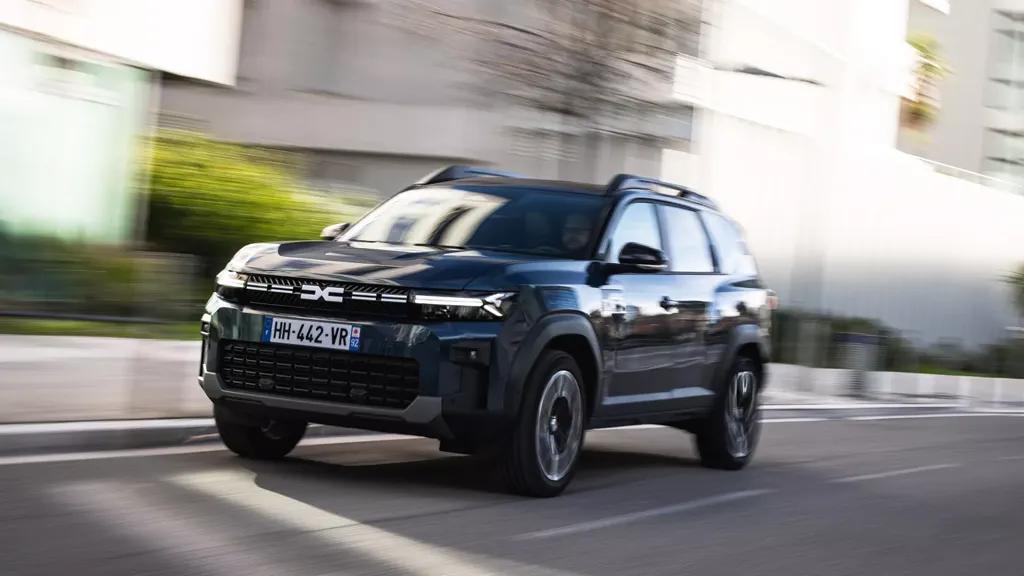
7. Dacia Jogger Hybrid 140: Affordable 7-Seater
Proof that hybrid efficiency can be accessible. The Jogger uses proven self-charging technology to offer a practical 7-seat family interior with the fuel economy of a small hatchback.
- Key Advantage: Lowest cost-per-seat hybrid option on the UK market.
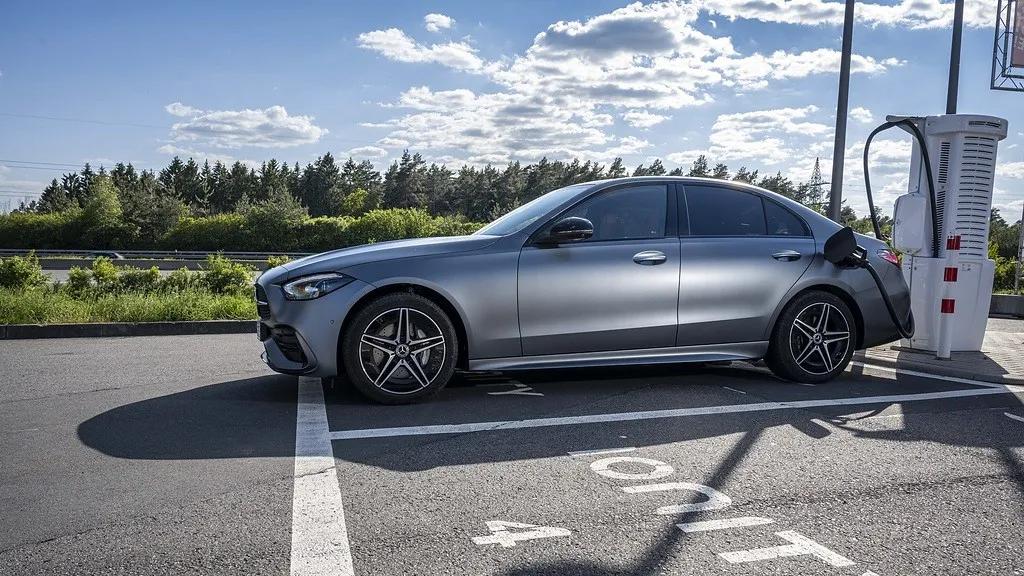
8. Mercedes-Benz C300e: Executive Range Leader
Equipped with a substantial battery pack, the C300e delivers over 60 miles of pure electric driving. It operates as a true electric vehicle for daily commuting while offering petrol refinement for long trips.
- Key Advantage: Class-leading electric range in the executive saloon segment.
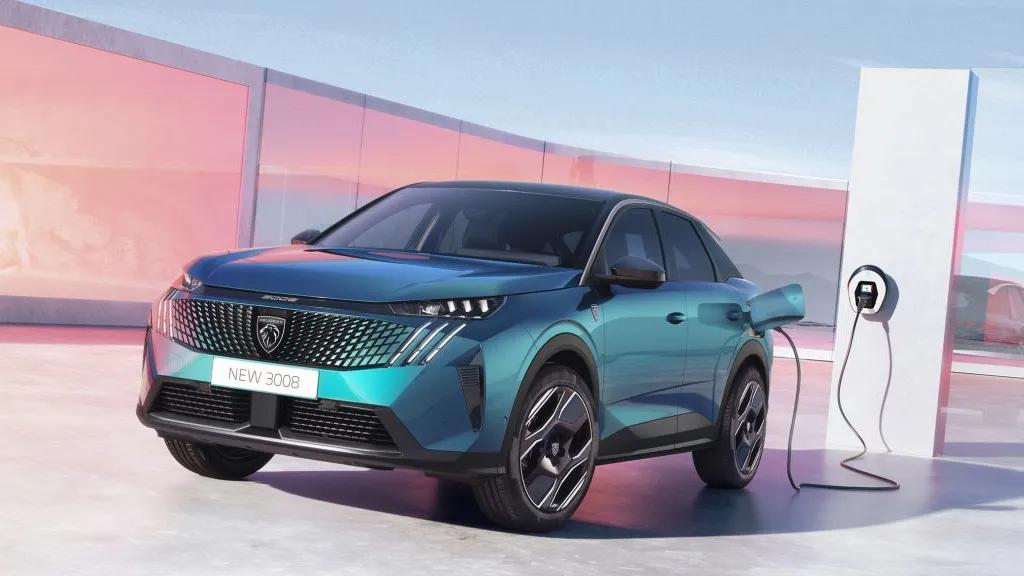
9. Peugeot 308 Hybrid: Stylish Efficiency
Combining striking design with optimized thermal engine management, the 308 Hybrid minimizes energy loss during power transitions between petrol and electric modes.
- Key Advantage: Standout exterior styling paired with strong real-world fuel economy.
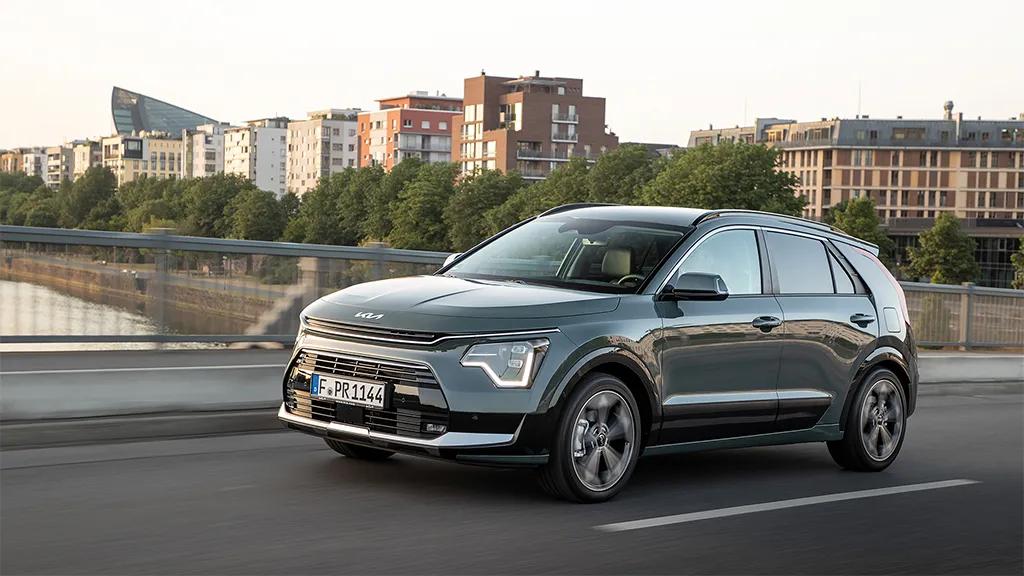
10. Kia Niro HEV: The Dependable Crossover
The Niro remains a solid choice thanks to its consistent real-world fuel economy, practical driving position, and Kia's 7-year manufacturer warranty.
- Key Advantage: Reliable 50–55+ MPG across all driving conditions.
Technical Performance Comparison (Real-World Averages)
| Model | Hybrid Type | Real-World MPG | CO2 Emissions (g/km) | Typical Electric Range |
| Toyota Prius | Plug-in (PHEV) | 150 – 250+ MPG (with charging) | ~12 g/km | Up to 53 miles |
| Renault Clio E-Tech | Self-Charging (HEV) | 58 – 65 MPG | ~95 g/km | Urban electric bursts |
| Honda Civic e:HEV | Self-Charging (HEV) | 55 – 62 MPG | ~102 g/km | Seamless EV transition |
| Mercedes C300e | Plug-in (PHEV) | 180 – 280+ MPG (with charging) | ~14 g/km | Up to 62 miles |
| Dacia Jogger 140 | Self-Charging (HEV) | 50 – 56 MPG | ~108 g/km | Urban electric bursts |
Why Hybrids Make Financial Sense in 2026
Hybrid vehicles offer maximum flexibility for UK drivers: electric power for low-speed urban trips (zero tailpipe emissions, quiet running, ULEZ compliant) and petrol power for long motorway journeys without range anxiety. When paired with agile driving techniques, fuel savings compound significantly.
cheapfill.uk — Your essential guide to staying informed and cutting driving costs across the UK.